Stephanie Doddridge: Tools for Quiet Activism

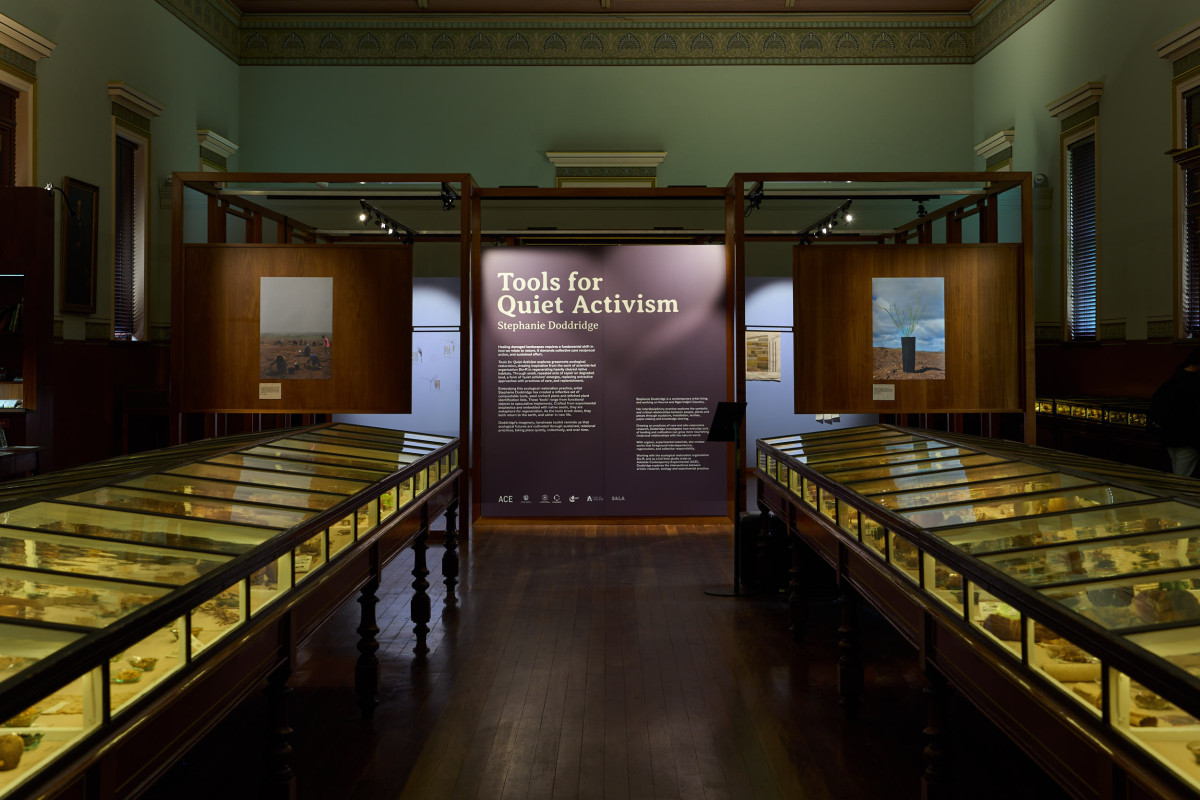
'Tools for Quiet Activism' explores grassroots ecological restoration, drawing inspiration from the work of scientist-led organisation Bio·R in regenerating heavily-cleared native habitats. Through small, repeated acts of repair on degraded land, a form of ‘quiet activism’ emerges.
Museum of Economic Botany, Adelaide Botanic Gardens
25 July to 31 January 2027
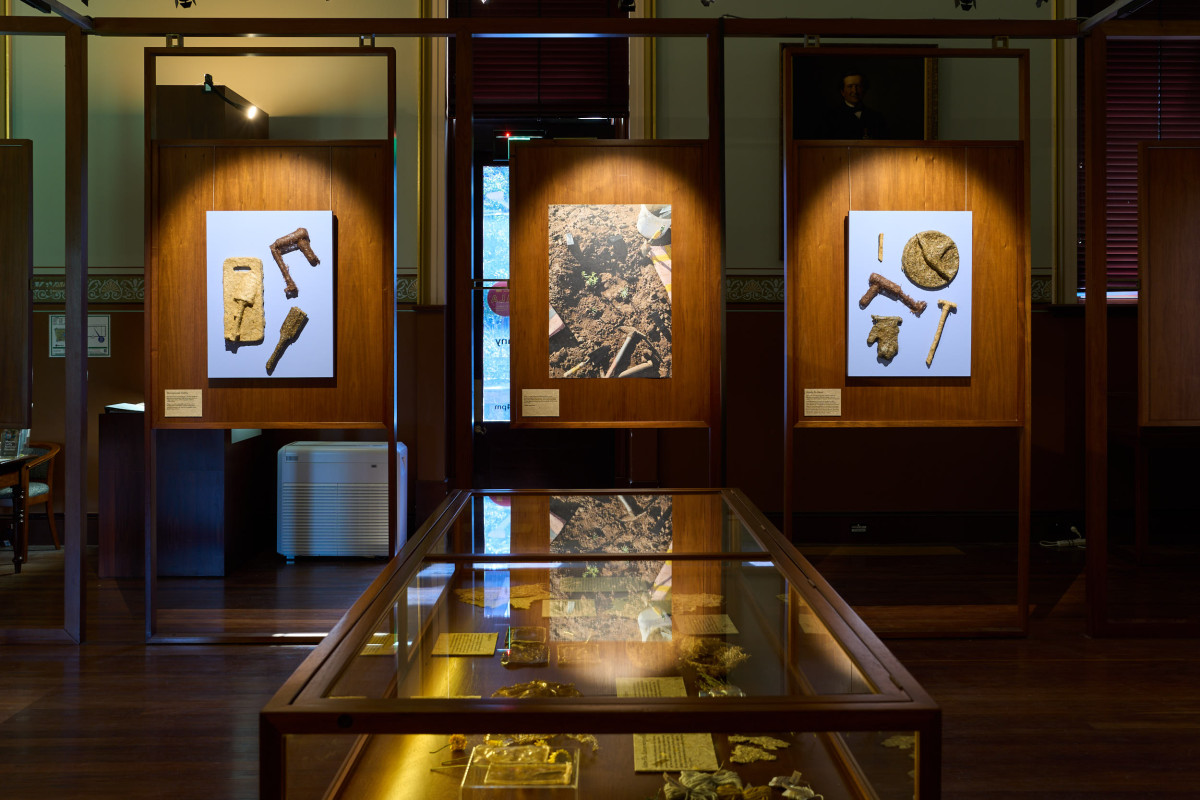
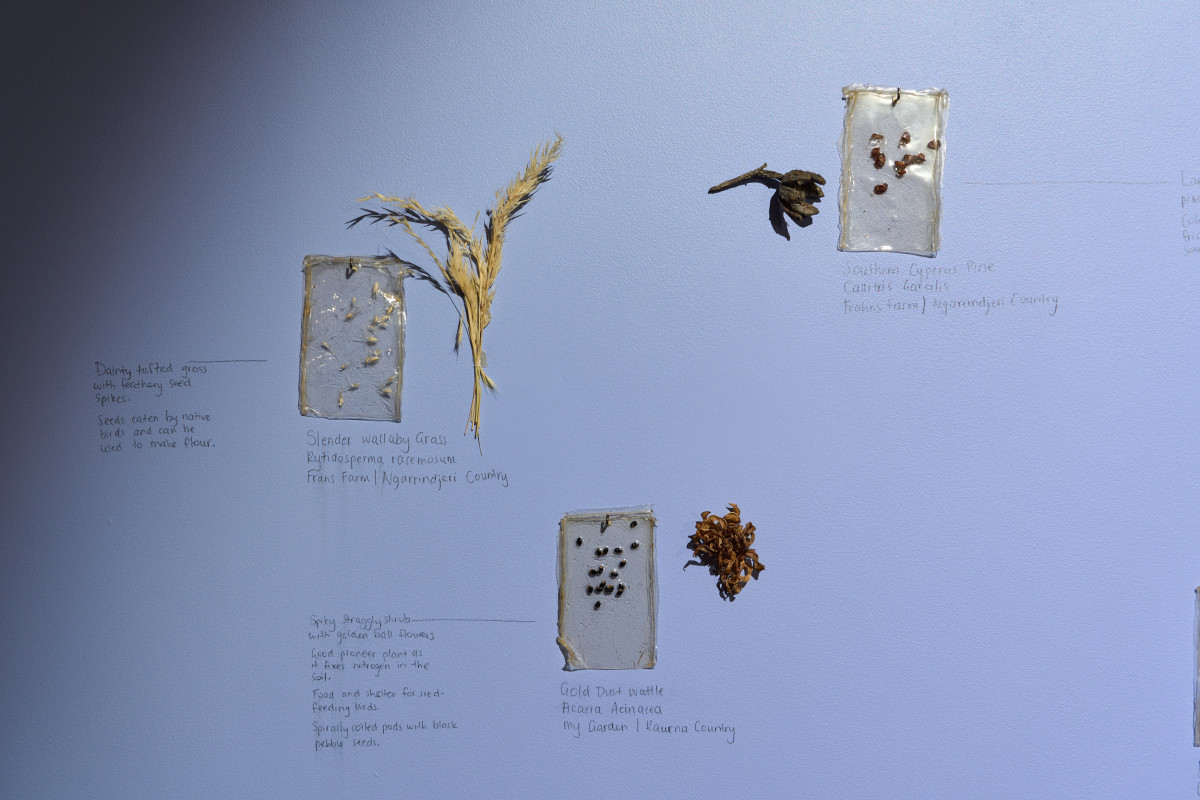
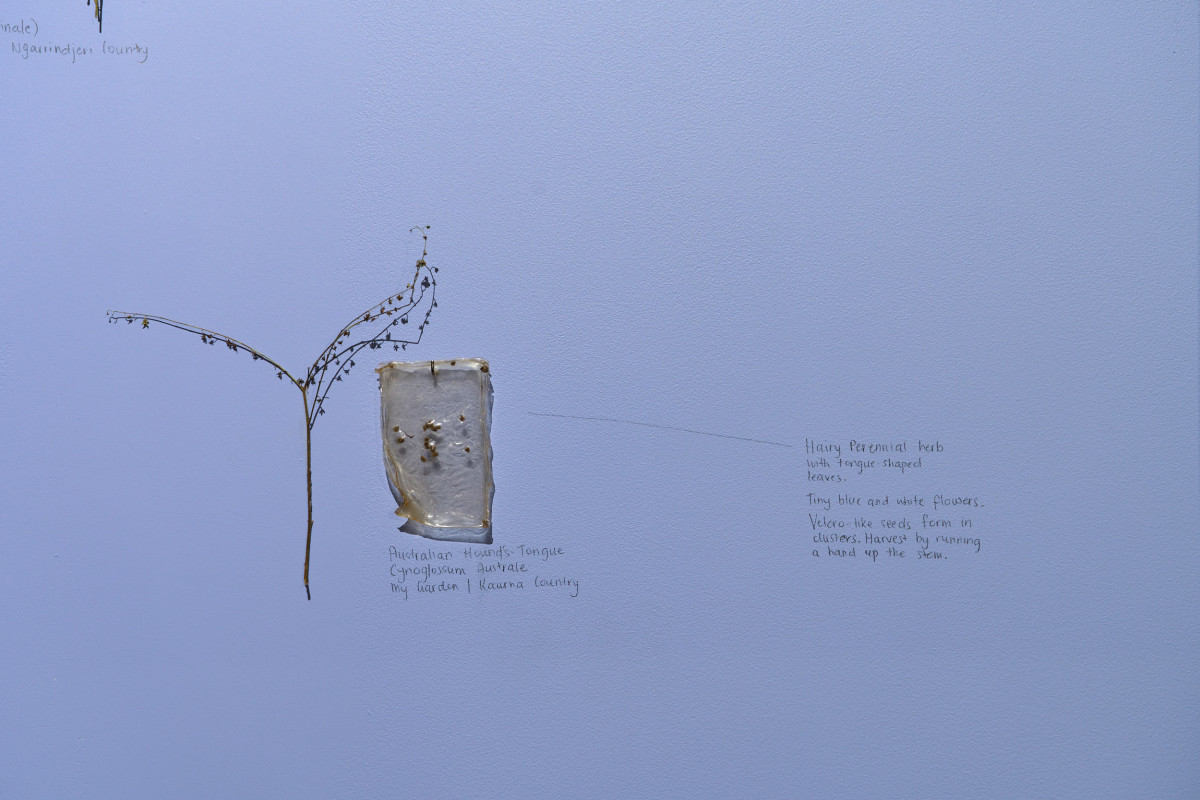
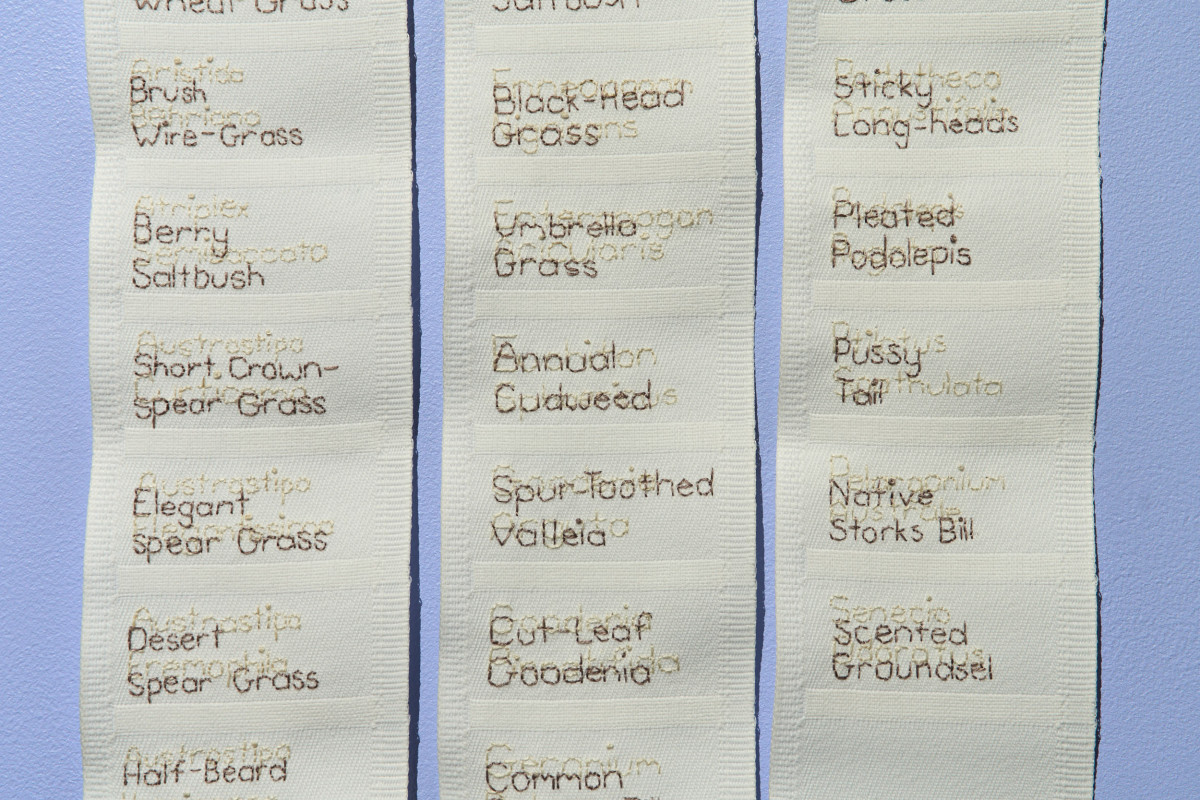
Artist Stephanie Doddridge embodies this gentle resistance in her 'toolkit' for ecological restoration. Seed orchard plans, stitched plant identification lists, and poetic tools crafted from experimental bioplastics embedded with native seeds, become metaphors for the process of regeneration.
Please see exhibition opening hours here.
Feature Image: Stephanie Doddridge's studio (2026). Photography by Lana Adams.
Artist
Stephanie Doddridge – Bioplastic
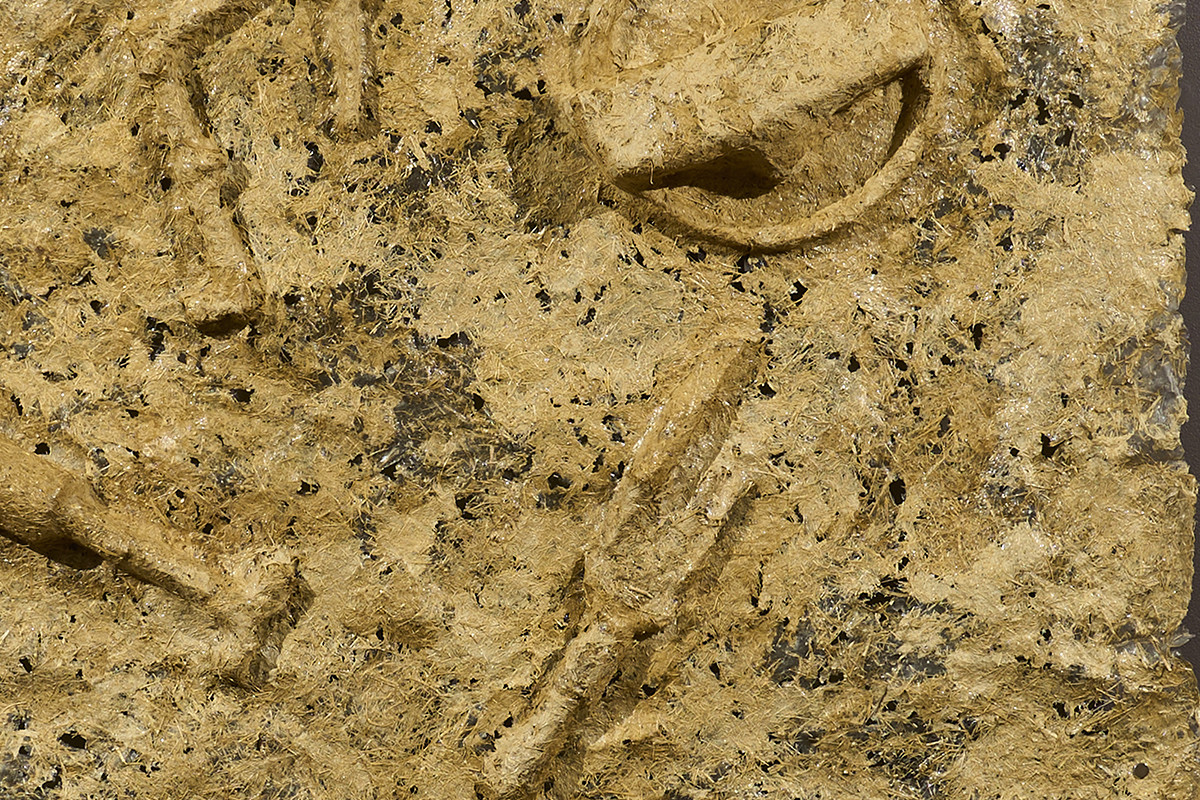
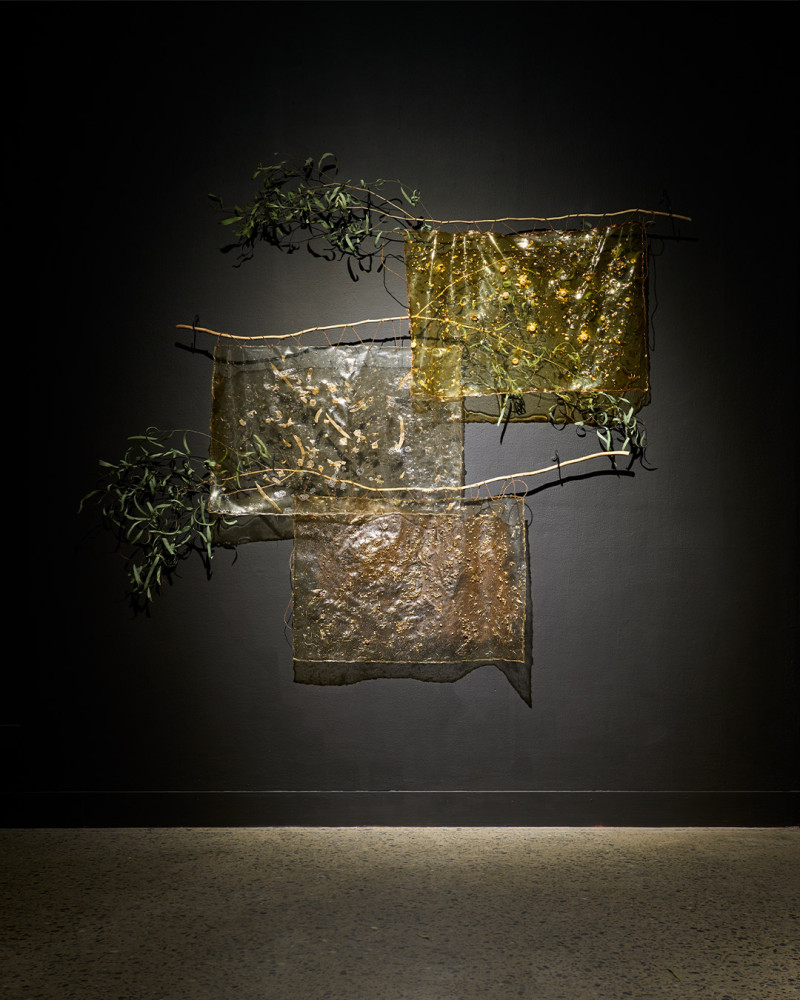
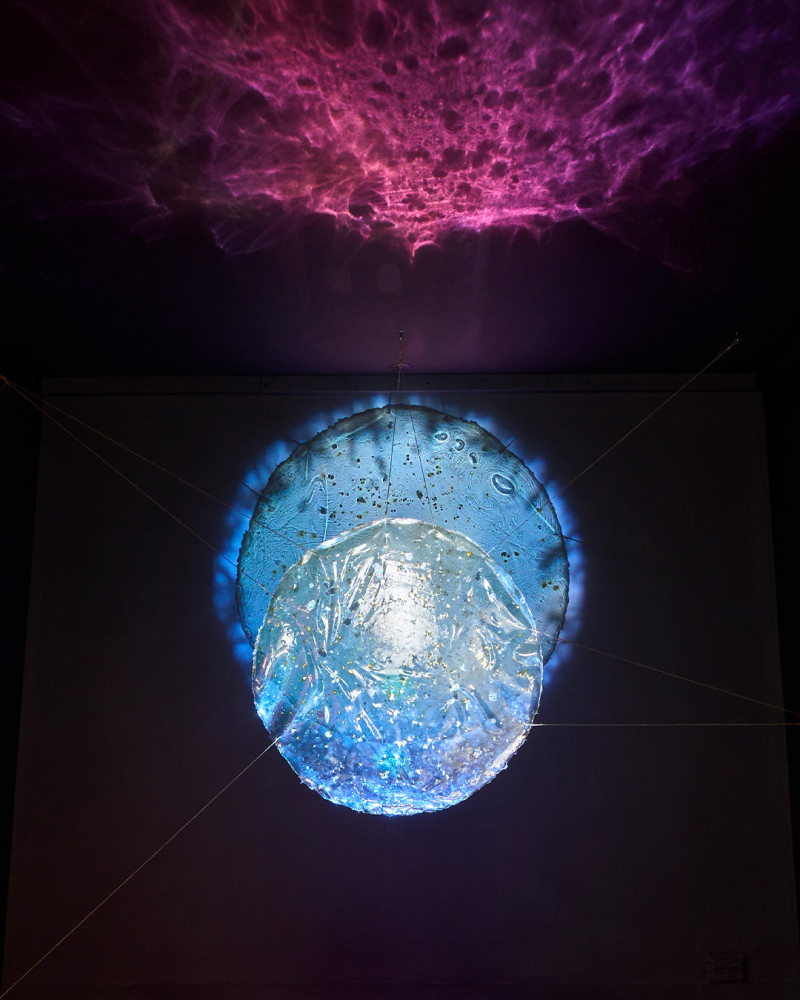
Stephanie Doddridge's ongoing experimentation with bioplastics features across two exhibitions: 'Leaves: Eco-Anxiety' at Adelaide Contemporary Experimental (ACE) and 'Tools for Quiet Activism' at the Museum of Economic Botany, presented in partnership with ACE. Through a process of trialling, observing and refining, Doddridge explores the possibilities of these biodegradable materials, creating artworks that embrace change, impermanence and eventual decomposition.
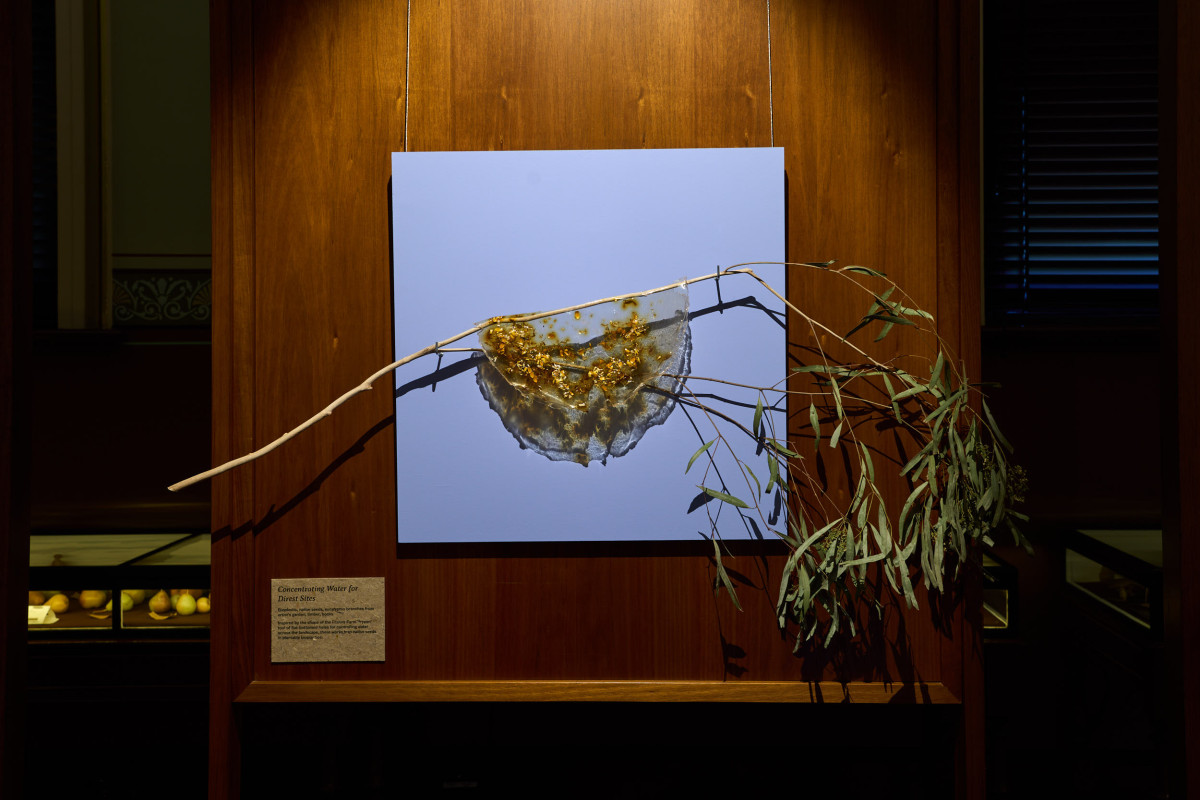
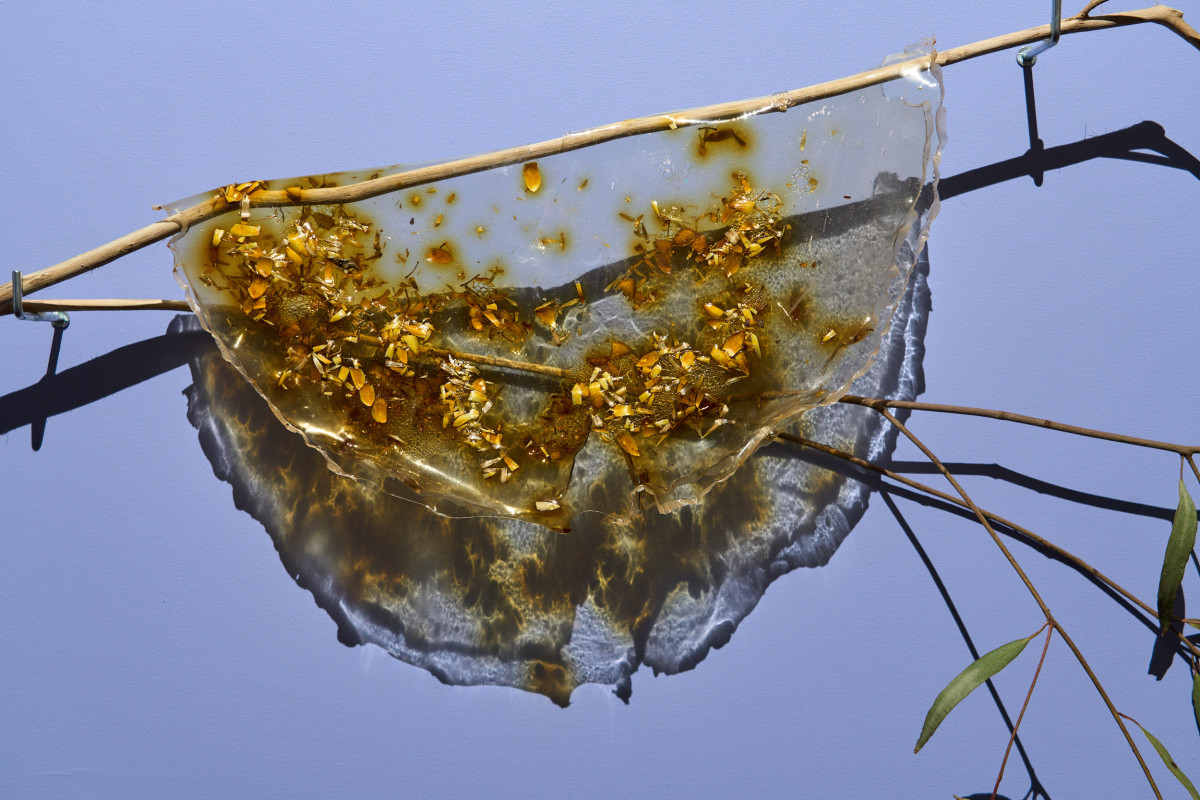
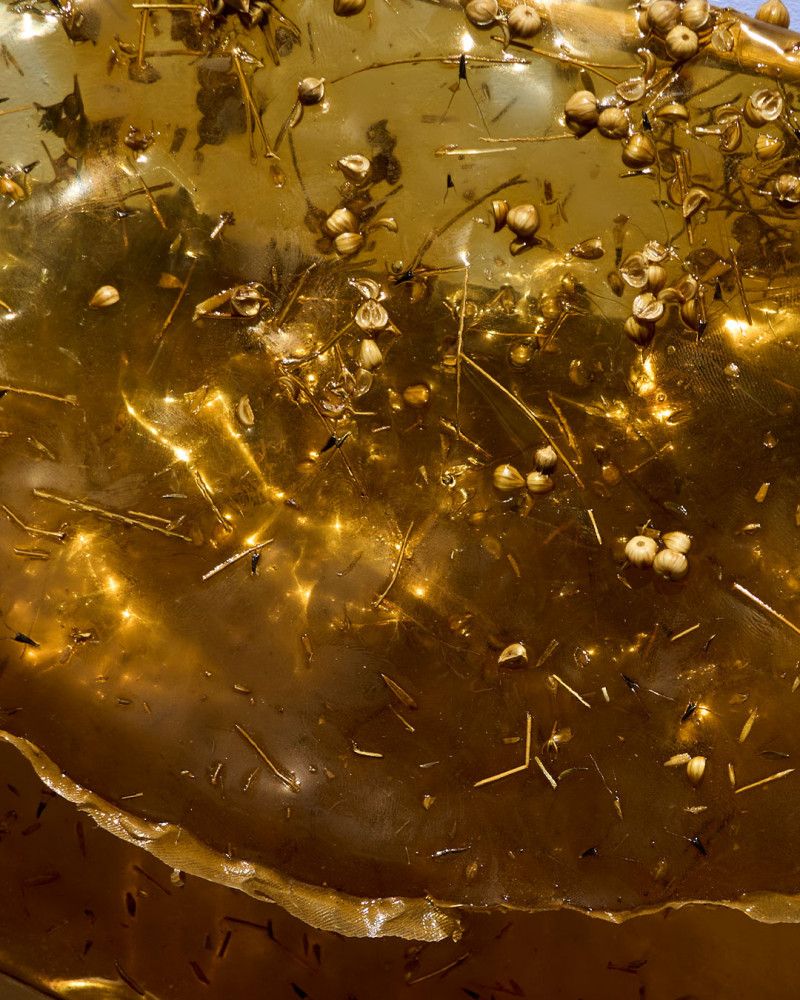
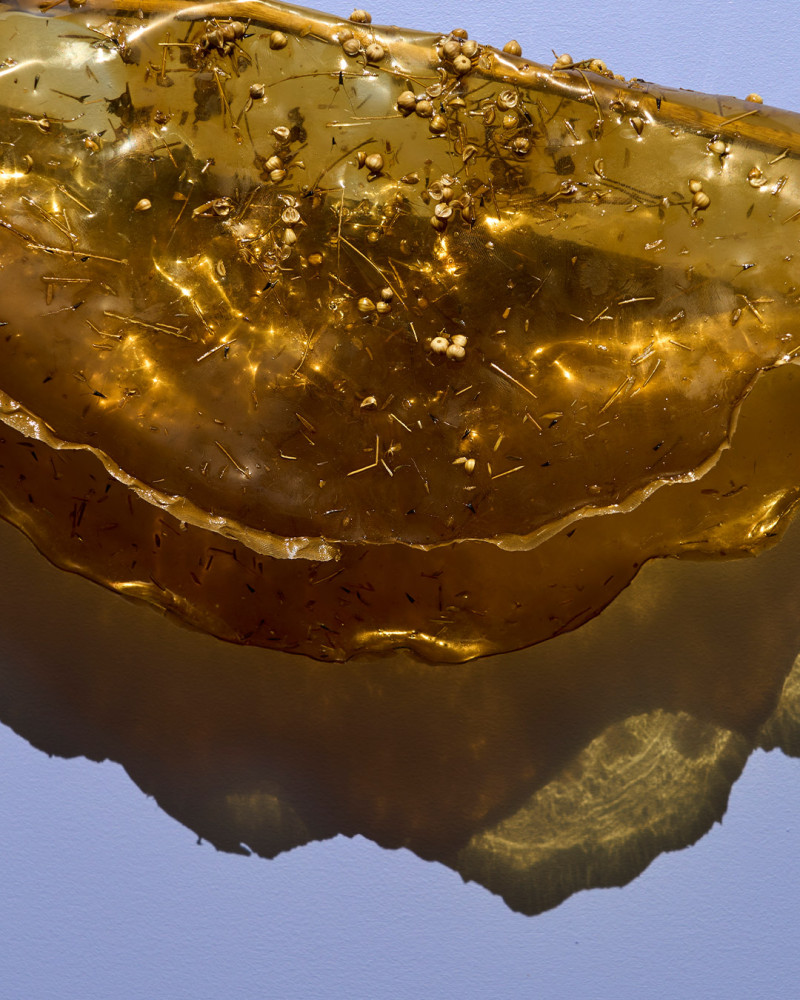
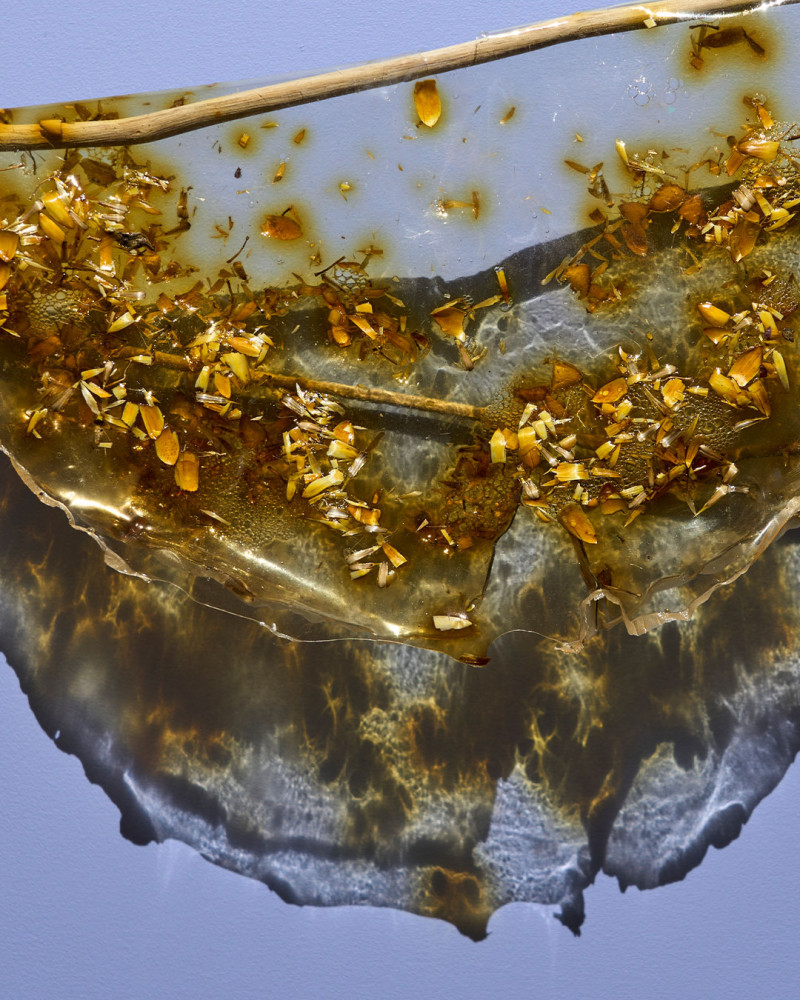
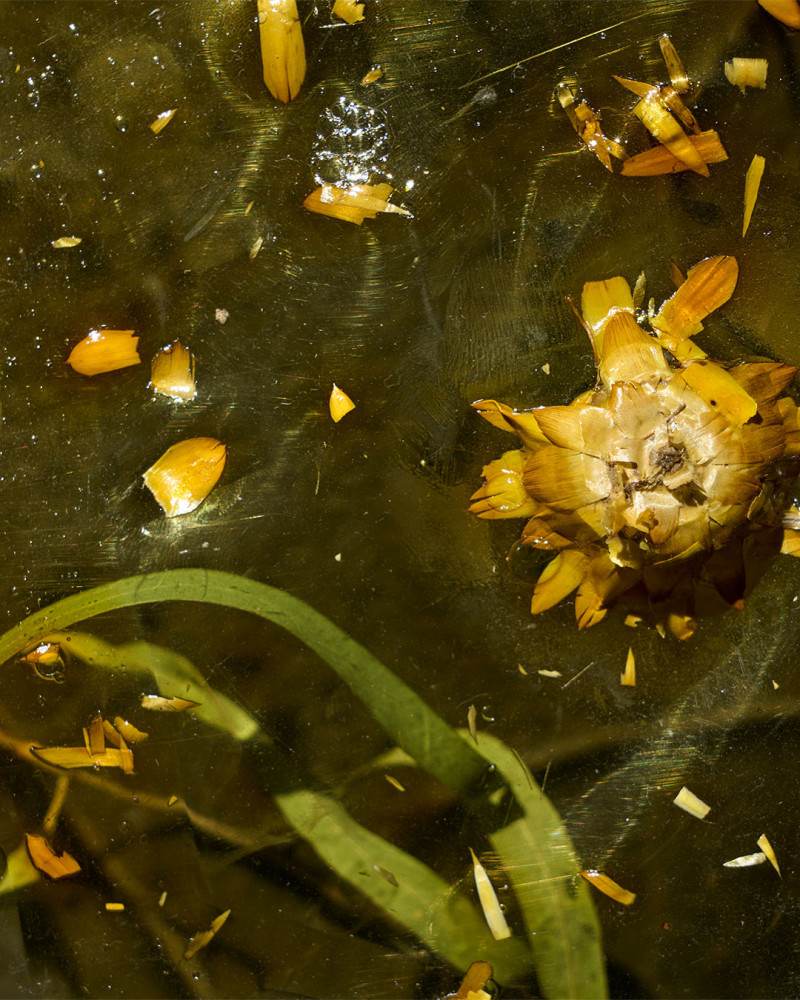
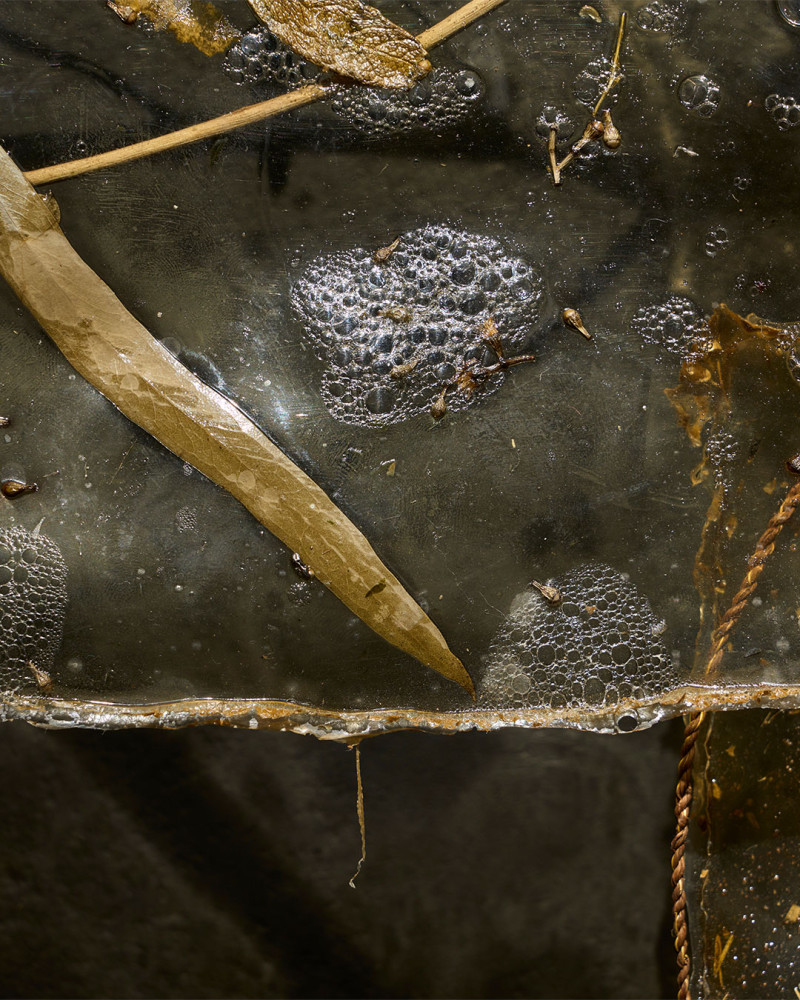
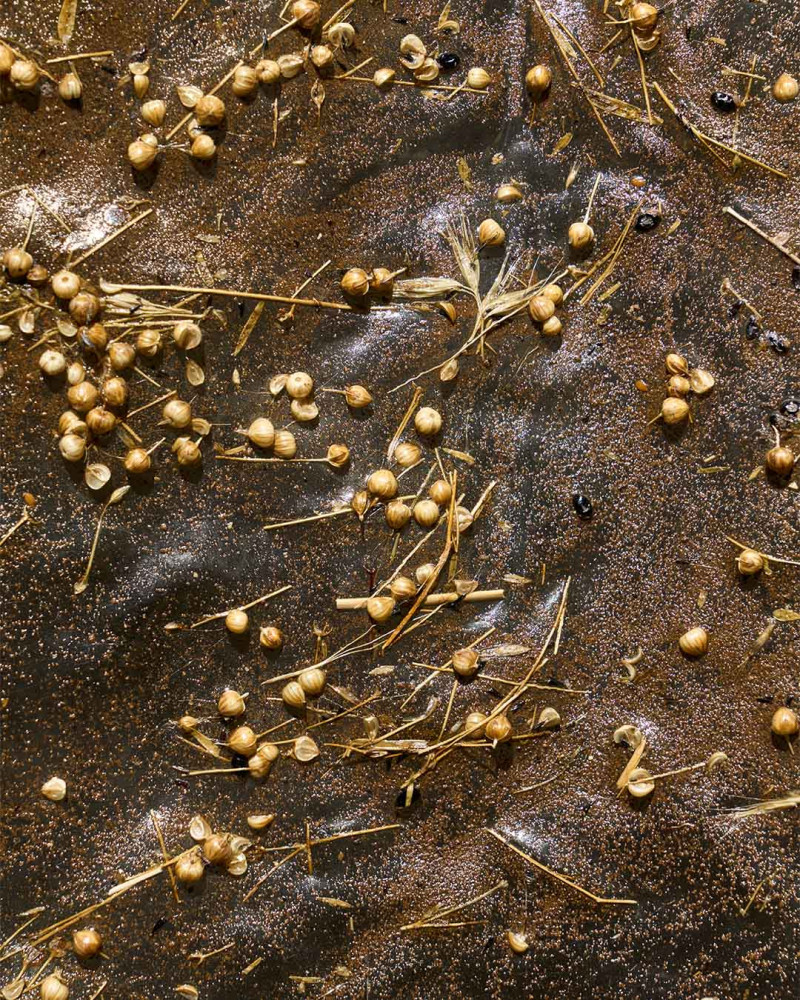
Doddridge works with non-toxic, compostable bioplastic as an artistic material. These surfaces are living - they remain responsive to moisture, temperature fluctuations, mould, insects and microorganisms, and they shrink, crack, tear and change over time. Their translucency catches and diffuses light, revealing variations in texture and the organic matter held within. They reflect the patience and close observation that characterise Doddridge’s artistic practice. Each piece is the result of many hours of trialling, waiting, learning from the materials and trying again.
Embedded with seeds, soil, flowers and leaves, and suspended from eucalyptus branches with iris-leaf string, these bioplastic works remain connected to the materials and processes from which they emerged. When they are no longer needed, they can break down, returning nutrients to the soil and supporting new growth, allowing decomposition itself to become part of the life of the artwork.


